





What is brand monitoring?
Brand monitoring is the continuous process of tracking and analyzing mentions of your brand, products, and key spokespeople across online channels. These include social media, news and trade publications, review platforms, forums, podcasts, and blogs. The goal is to understand how your brand is perceived, identify emerging issues before they escalate, and surface opportunities for engagement or improvement.
What are the two main types of brand monitoring?
Brand monitoring is the overarching discipline, the strategic practice of tracking and understanding how your brand is perceived both online and offline. Media monitoring and social listening are the two primary tools that make it possible.
Explore the best social listening tools to see how leading platforms analyse conversations in real time.
Media monitoring tracks your brand’s presence in news and trade publications, broadcast, and online editorial coverage. It tells you what journalists, editors, and publishers are saying about your brand. It’s the earned media layer that shapes public perception at scale.
Social listening tracks the conversations happening on social platforms: what people are saying organically, how they feel, and how those conversations are evolving in real-time.
Together, they give you a complete picture of brand perception. Media monitoring covers the editorial and journalistic conversation and social listening covers the audience conversation. Brand monitoring is the practice of bringing both together, analyzing what they mean, and acting on what they reveal.
Brand monitoring as part of media intelligence
Brand monitoring becomes more powerful when it sits within a wider media intelligence strategy. Media intelligence connects what journalists are writing, what audiences are saying, how competitors are being discussed, and which narratives are gaining ground.
For PR and comms teams, this matters because reputation is rarely shaped in one place. A social post can become a news story. A trade article can trigger industry debate. A customer complaint can become a wider reputational issue. Media intelligence helps teams connect those signals and decide what action to take next.
What are the main purposes of brand monitoring?
Reputation protection and crisis detection
A single misjudged campaign can move from launch to crisis in hours. When Pepsi released its “Live for Now” ad in April 2017, social media backlash was immediate. Critics accused the brand of trivializing the Black Lives Matter movement, and the outcry spread from X to mainstream news within hours. Pepsi pulled the ad and issued a public apology within 48 hours of release.
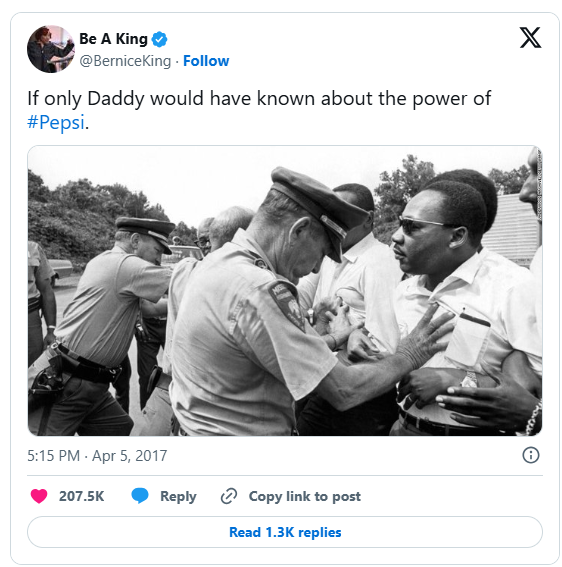
The warning signs were there before the story reached the press. Had the brand been actively monitoring sentiment during the ad’s early rollout, the pattern of criticism building on social would have been visible in time to pull the campaign before it became a global story.
Competitive intelligence
Your competitors’ brand conversations are as useful as your own. Monitoring their mentions, coverage, and audience sentiment tells you where they are underperforming, what their customers are frustrated about, and where gaps exist you can credibly fill.
e.l.f. Cosmetics has turned this into a growth strategy. The brand uses social listening to track which luxury beauty products are going viral, then identifies where those products are winning on quality but losing on accessibility due to price or availability. That intelligence feeds directly into product development.
Campaign performance and amplifying UGC
Brand monitoring captures the conversations your campaigns spark, the sentiment they generate, and the organic content your customers create that you did not ask for and cannot buy.
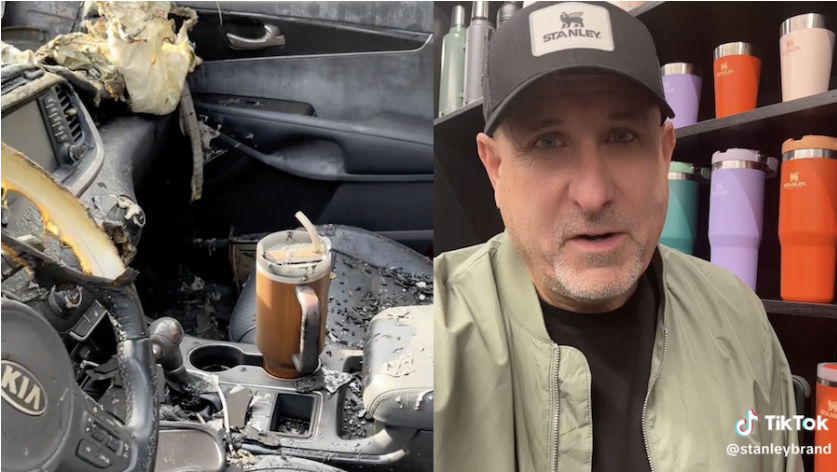
In November 2023, a TikTok user posted a video of her car, destroyed by fire, with her Stanley tumbler sitting intact in the cupholder and ice still inside. The video reached 84 million views within days. Stanley was monitoring closely enough to respond within 24 hours: the brand’s president stitched the original video on TikTok, offered to replace her car, and turned an unplanned customer moment into one of the most effective brand stories of the year.
Better customer experience
Every unacknowledged complaint is a missed opportunity. Brand monitoring helps teams catch customer issues early and respond before they escalate.
In July 2024, a TikTok complaint about a California Pizza Kitchen mac and cheese order went viral. CPK responded with a playful video from its VP of culinary innovation, offered 50% off mac and cheese, and sent the original customer free pizza and mac and cheese for a year.
The brand turned a customer service issue into a positive brand moment because it was monitoring closely enough to act quickly.
Product improvement and innovation
Brand monitoring can also surface product feedback that may never reach surveys or customer support. Customers often share what they like, dislike, and wish existed in social posts, reviews, forums, and comments.
Good Girl Snacks used this feedback after its soft launch, when customers said they wanted a more snackable pickle product. The brand switched from larger pickles to smaller gherkins, creating a crunchier, saltier product with more pickles per jar. Within nine months, it had built a following of nearly 100,000 on social media and landed on shelves at Erewhon, with a product shaped directly by audience insight.
What to monitor for your brand
A strong online brand monitoring setup tracks signals across several categories:
| Signal | What to track | Why it matters |
| Brand name and variations | Your brand name plus common misspellings, abbreviations, and informal shorthand | Audiences don’t always use your official name, missing variations means missing conversations |
| Product and service names | Individual product or service names, especially where they have distinct audiences | Product-level sentiment often surfaces before it attaches to the parent brand |
| Executive and spokesperson names | Coverage and mentions of leadership by name | Leadership mentions often precede or accompany broader brand reputation shifts |
| Campaign hashtags and keywords | Campaign names, hashtags, and key messaging terms | Measures real-world conversation impact beyond paid metrics |
| Competitor terms | Competitor brand names and key products | Benchmarks share of voice and surfaces sentiment trends and gaps in competitor audiences |
| Industry and category keywords | Emerging topics, issues, and narratives in your sector | Positions your brand relative to industry conversation and informs thought leadership |
| Visual brand mentions | Logos, product packaging, brand colors, and visual assets appearing in images and video with or without a text mention | A significant share of brand conversations happen visually, especially on Instagram, TikTok, and YouTube; text-based monitoring alone misses them entirely |
| Review platforms | Feedback on G2, Trustpilot, app stores, and similar sites | Structured, comparable signals on how customers experience your product or service |
| Crisis signal clusters | Negative keyword combinations paired with your brand name, monitored for volume spikes | Catches emerging issues early, before they escalate into a full reputation crisis |
What channels should you monitor for brand mentions?
Your brand exists wherever people talk about it. The right mix of channels will depend on your audience, industry, and risk profile, but most brand monitoring programs should cover four core areas.
Social media platforms and forums
Social media is where brand conversations move fastest. X captures immediate reactions, LinkedIn surfaces industry opinion, and TikTok and Instagram show how your brand is being discussed visually and culturally.
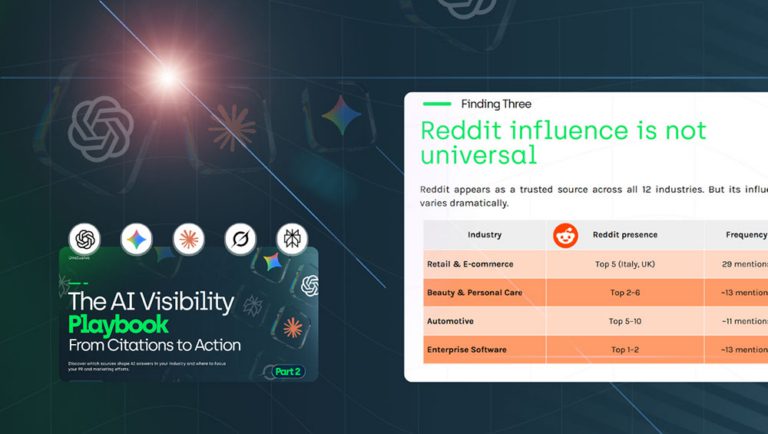
Forums and communities, including Reddit, Quora, LinkedIn Groups, and sector-specific platforms, often reveal detailed product feedback, customer frustrations, and peer recommendations that may not appear in tagged brand mentions.
News and trade publications
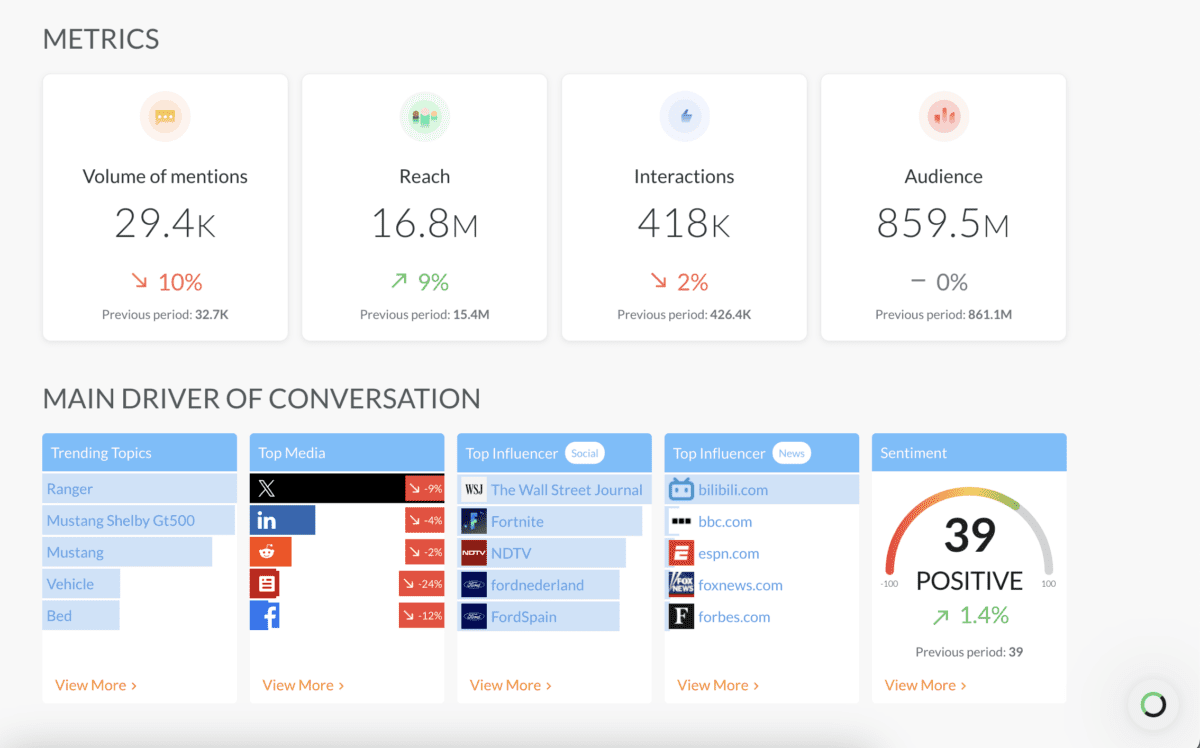
Earned media plays a major role in shaping brand perception. Effective media monitoring should cover national, regional, trade, broadcast, and online editorial sources. The goal is not just to count coverage, but to understand the authority of the outlet, the prominence of the mention, and the sentiment of the story.
Review platforms
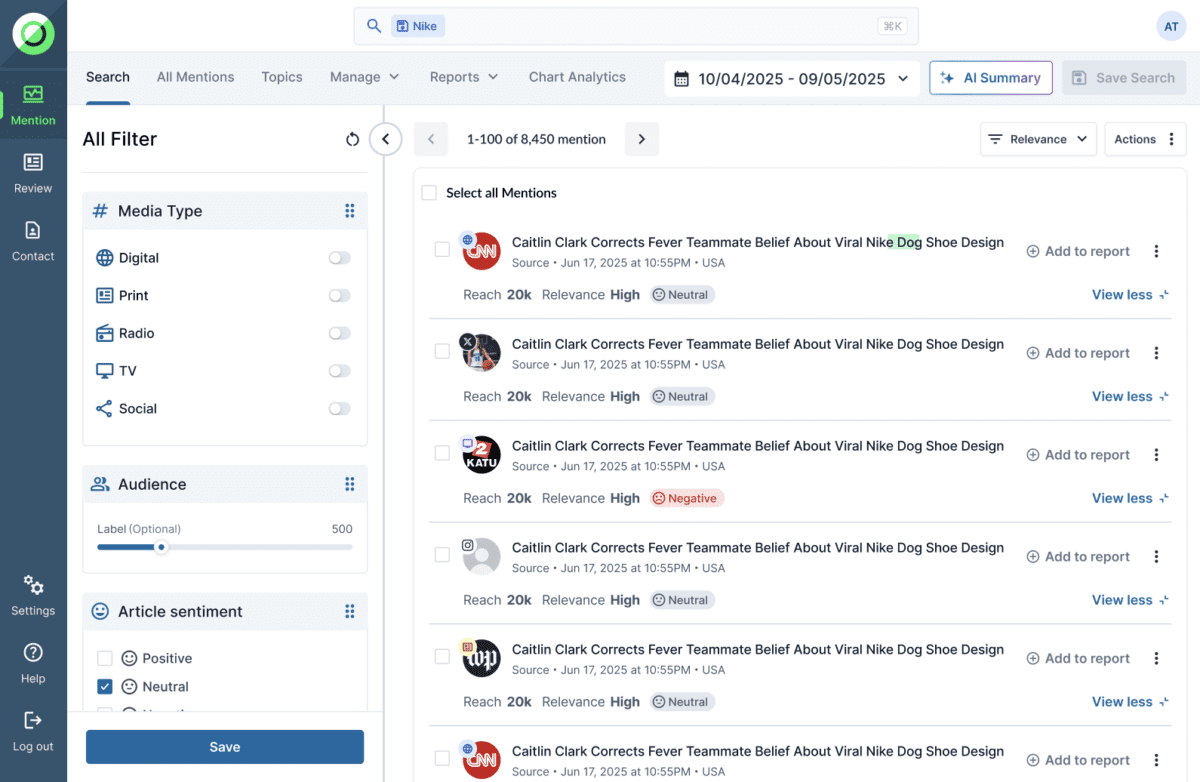
Review sites such as G2, Trustpilot, Glassdoor, Capterra, and app stores provide structured feedback on how customers experience your brand, product, or service. These channels are especially useful for tracking recurring issues and comparing performance against competitors.
Blogs and podcasts
Long-form reviews, comparison articles, newsletters, and podcast discussions can shape opinion among highly engaged audiences. Monitoring these channels can also surface content ideas, backlink opportunities, and emerging category narratives.
How to set up a brand monitoring strategy
Step 1: Define your monitoring goals
Start by deciding what you need to understand. Are you protecting reputation, measuring a campaign, benchmarking against competitors, tracking executive visibility, or monitoring customer feedback? Your goals determine which channels, keywords, alerts, and metrics matter most.
Step 2: Map the channels where your audiences have conversations
Not every brand needs to monitor the same channels. A B2B technology company may prioritize trade press, LinkedIn, and industry forums. A consumer brand may need to track TikTok, Instagram, Reddit, reviews, and social video comments. Start with the places where perception is actually being shaped.
Step 3: Build your keyword and query framework
Structure your monitoring around four layers:
- Core brand terms: your brand name, product names, and common variations
- Campaign and content keywords: hashtags, campaign names, and messaging themes
- Competitor terms: competitor brand names and key products
- Crisis signal clusters: negative keyword combinations that indicate complaints, issues, or emerging risk
Where possible, use Boolean logic to sharpen relevance and reduce noise.
Step 4: Configure your brand monitoring tools and alerts
Real-time alerts are only useful if they are actionable. Define what counts as a meaningful volume spike, sentiment shift, or crisis signal. Then decide who needs to know: routine mentions may go to a social team, while reputation risks should reach comms leads quickly.
Step 5: Analyze sentiment, not just volume
Mention volume tells you how much people are talking about your brand. Sentiment tells you whether that attention is helping or harming reputation. Look for trends over time, not just isolated spikes.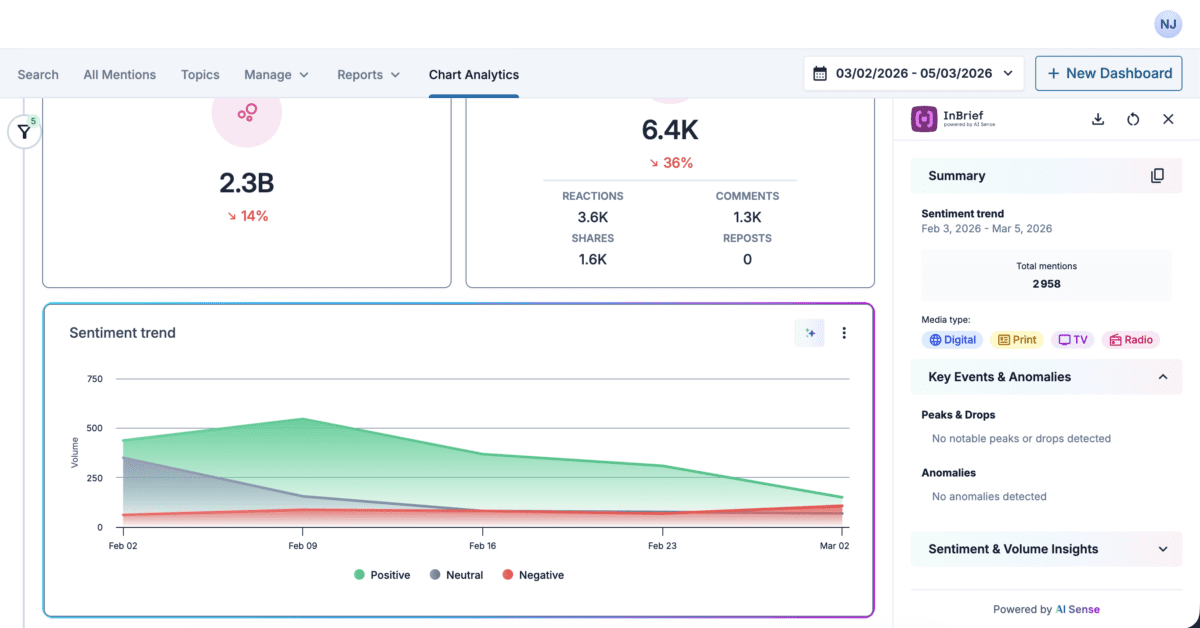
Step 6: Connect insights to business outcomes
Brand monitoring should produce actionable intelligence, not a raw feed of mentions. Connect your findings to share of voice, media impact, campaign performance, reputation trends, response time, and executive reporting.
Example: How a brand monitoring workflow might look
Imagine a consumer brand launches a new product campaign. In the first 24 hours, the team tracks campaign hashtags, product mentions, sentiment, influencer posts, media coverage, and competitor reactions.
Social listening shows strong engagement on TikTok and Instagram, while media monitoring reveals that trade publications are focusing on pricing concerns. By combining both, the team can see that the campaign is resonating with consumers but needs clearer messaging for industry audiences.
This is where brand monitoring becomes strategic. It helps teams understand what to do next, not just what happened.
How Onclusive supports brand monitoring
Onclusive helps PR, comms, and marketing teams connect the different parts of brand monitoring in one place. Instead of looking at social conversations, earned media coverage, sentiment, competitor activity, and campaign performance separately, teams can bring those signals together to understand how their brand is being talked about and where perception is changing.
With Onclusive’s media monitoring and social listening capabilities, teams can track brand mentions across online news, print, broadcast, social platforms, forums, blogs, and other digital sources. They can monitor volume, sentiment, share of voice, media impact, key topics, influencers, and competitor activity, then turn those findings into reports for internal teams and leadership.
This helps teams move from collecting mentions to building a clearer view of brand perception, campaign performance, reputation risk, and competitive position.
Brand monitoring in practice: BT Group
BT Group partnered with Onclusive to build a standardized reputation intelligence framework that tracks stakeholder sentiment, benchmarks against competitors, and connects media coverage to strategic decision-making across their Corporate Affairs function. Read the full case study.
What to look for in brand monitoring tools
Brand monitoring software varies in depth, coverage, and suitability for different teams. When evaluating tools, look for:
Channel coverage: Can the tool track the channels where your brand conversation happens, including news, trade press, social platforms, forums, review sites, blogs, and podcasts?
Real-time alerting: Can it surface urgent signals quickly enough for your team to act?
Sentiment analysis: Does it capture context and nuance, not just positive, negative, and neutral mentions?
Media monitoring depth: Can it track earned media coverage, outlet authority, journalist activity, and coverage quality?
Social listening depth: Can it analyze audience conversations, trends, sentiment, influencers, and competitor activity across social and digital channels?
Reporting and workflow: Can teams turn monitoring data into clear reports that support decisions and demonstrate impact?
For PR and comms teams, brand monitoring works best when it sits within a media intelligence platform that connects social signals, earned media coverage, and audience analytics in one view.
How to measure the success of your brand monitoring
Effective brand monitoring strategy requires clear metrics to assess whether the program is working. Key measures include:
- Share of voice
Your brand’s mentions as a proportion of total industry conversation, tracked over time and benchmarked against key competitors. - Sentiment ratio and trend
The balance of positive, negative, and neutral mentions, and crucially, the direction of travel. A declining sentiment trend is a more useful signal than a single data point.
- Response time
How quickly your team identifies and acts on flagged mentions. For reputation management, speed is a core performance indicator. - Media impact and coverage quality
For earned media, reach and relevance matter as much as volume. A single piece of coverage in a high-authority trade publication carries more weight than dozens of low-relevance mentions. - Crisis detection speed
How early in a developing issue your monitoring program surfaces a signal, relative to when the issue becomes publicly visible.
Start monitoring what matters
Brand monitoring is not a passive exercise. Done well, it gives comms and marketing teams an early warning system, a competitive intelligence layer, and a clearer view of how their brand is perceived.
With Onclusive, teams can bring media monitoring, social listening, and media intelligence together to track brand perception across the channels that matter most.
Ready to understand what people are really saying about your brand? Explore Onclusive’s media monitoring and social listening solutions.
Frequently asked questions
What is the difference between brand monitoring and media monitoring?
Brand monitoring tracks mentions of your brand across all online channels, including social media, forums, review sites, and news. Media monitoring focuses specifically on coverage in news and trade publications — earned media. For communications teams, media monitoring is typically a core component of a broader brand monitoring program, not a separate discipline.
How often should you review brand monitoring data?
It depends on your goals and risk profile. Crisis detection requires real-time or near-real-time alerting. Campaign performance is typically reviewed daily during active periods. Broader brand health and share of voice trends are usually analyzed weekly or monthly. Most teams use a tiered approach: automated alerts for urgent signals, regular reporting cycles for strategic review.
What is the first step to setting up brand monitoring?
Define your goals before you configure anything. Know whether you’re primarily monitoring for reputation management, competitive intelligence, or campaign performance — ideally all three, but with a clear sense of priority. Goals determine which channels, keywords, and metrics matter most, and without them a brand monitoring setup quickly becomes a data collection exercise rather than a strategic one.
What should you look for in brand monitoring tools?
The best brand monitoring tools should cover the channels where your brand reputation is shaped, including social media, news, trade publications, forums, review sites, blogs, and podcasts. They should also offer real-time alerts, sentiment analysis, competitor tracking, reporting, and media intelligence features that help teams understand not just where the brand is mentioned, but what those mentions mean.