




Onclusive’s overnight data shows a total of 2,841,349 mentions (179,624 mainstream, 2,661,725 social), suggesting the speech generated immediate buzz but may fade without sustained follow-up. However, social media mentions increased by “only” 20.9% compared to the normal volume of mentions about Trump over the previous 10 days.
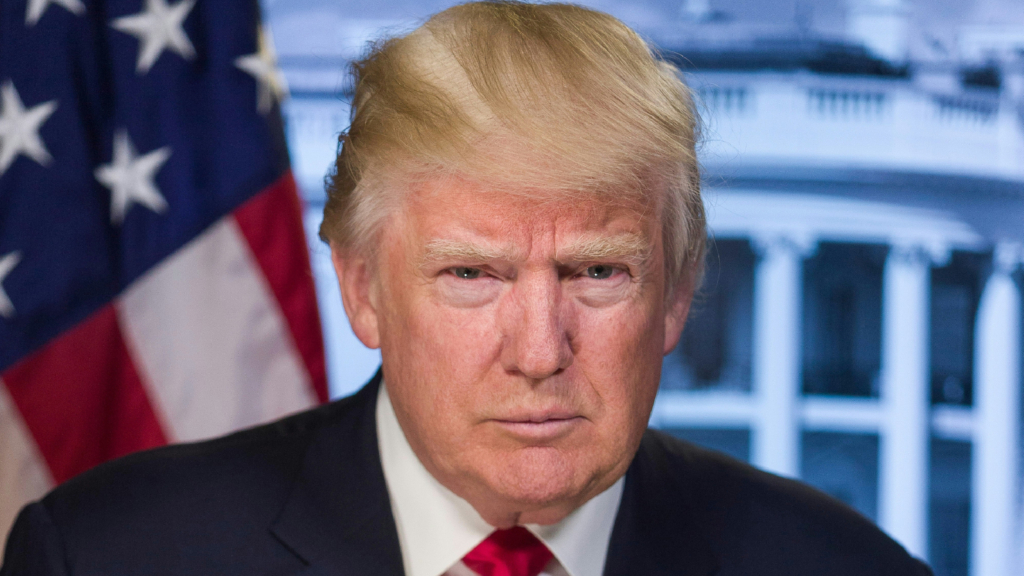
On the evening of December 17, 2025, President Donald Trump delivered a prime-time address from the White House, reflecting on his administration’s first 11 months and outlining ambitious plans for 2026.
The speech covered economic triumphs, border security, tariffs, and more, while sharply criticizing the previous Biden-Harris administration. As of today, December 18, the immediate media and social media reactions reveal a deeply polarized landscape, with supporters hailing it as a motivational victory lap and critics dismissing it as a litany of exaggerations and blame-shifting.
Drawing from Onclusive’s media monitoring and social listening data, this blog post explores the key reactions, top topics, and overall impact.
President Donald Trump’s address to the nation summarized in 10 points
- Economic Recovery: Touted wage growth, low prices, and U.S. strength despite perceptions.
- Blaming Prior Admin: Accused Biden of economic mess, inflation, and prioritizing foreigners.
- Tariffs & Trade: Used tariffs for $18T investments, jobs, and security.
- Energy Policy: Lowered gas prices, declared energy emergency, planned new plants.
- Border Security: Reduced illegal crossings to 1970s lows.
- Military Bonus: Announced $1,776 “warrior dividend” for service members.
- Fed & Rates: New chair for lower interest rates to boost economy.
- Drug Prices: Deals for “Most Favored Nation” pricing via tariffs.
- Tax Benefits: Bigger returns; “Trump accounts” for kids born 2025-2028.Future Outlook: 2026 goals for citizen loyalty, national pride, global respect; holiday wishes.
- Future Outlook: 2026 goals for citizen loyalty, national pride, global respect; holiday wishes.
Mainstream Media Coverage: A Mix of Skepticism and Fact-Checking
Mainstream outlets provided swift and varied analyses, often focusing on Trump’s defensive tone amid economic anxieties and his forward-looking promises. Coverage was drawn from a diverse range of sources to capture balanced perspectives, including left-leaning, centrist, and international voices
- CNN offered fairly neutral takeaways, emphasizing Trump’s strategy to tout progress and blame predecessors, while noting public skepticism on wages and prices. CNN reiterated the importance of fact-checking in this type of speech.
- Vox was critical, calling the speech “pointless” for lacking new substance and failing to address inflation’s root causes.
- NPR balanced the narrative, acknowledging claimed achievements but highlighting ongoing voter concerns over costs.
- USA Today remained factual, spotlighting Trump’s optimism (“Boy are we making progress”) alongside persistent affordability issues.
- Al Jazeera critiqued the immigration rhetoric, framing it as scapegoating with international implications.
- Reuters provided straightforward summaries of policy wins like tariffs and energy.
- Washington Post described it as “contentious,” pointing to grievances and divisiveness.
- PBS positively noted specific initiatives, like drug price reductions.
- ABC News observed continuity in Trump’s style, blending updates with old criticisms.
Overall, left-leaning sources leaned skeptical, questioning substance, while centrist outlets validated some progress but noted challenges like 57% economic disapproval ratings.
According to Onclusive data tracking mentions from 9:00 PM on December 17 to 6:00 AM on December 18, there were 179,624 mentions from mainstream media sources, with 61% negative, 17% neutral, and 22% positive, reflecting a predominantly critical overnight response.
Social Media Buzz: Polarization and High Engagement
On platforms like X (formerly Twitter), TikTok, Instagram and Facebook, reactions exploded in the immediate aftermath, with hashtags such as #TrumpAddress, #MAGA, and #PresidentialAddress trending. Users divided sharply along partisan lines, amplifying echo chambers where supporters celebrated and detractors mocked.
Positive sentiments praised Trump’s vision and energy, with phrases like “economic boom” and “THE BEST IS YET TO COME” going viral.
Critics labeled it a “flop” or “infomercial,” accusing it of lies and gaslighting, often referencing fact-checks from figures like Jen Psaki. Speculation about Venezuela (fueled by pre-speech rumors) lingered, but many noted relief at no war declaration.
Onclusive data for the same overnight period (9:00 PM Dec 17 to 6:00 AM Dec 18) recorded 2,661,725 mentions on social media, with 34% negative, 36% neutral, and 30% positive, indicating rapid grassroots engagement and a slight lean toward neutral discussions amid polarization.
Feelings of Reactions: A Comparative Analysis
Onclusive data reveals distinct trends in sentiment toward President Trump. On social media, 34% of mentions were negative, reflecting criticism of perceived lies and lack of substance, while 36% were neutral, often in the form of factual shares or summaries, and 30% were positive, celebrating economic optimism and Trump’s leadership.
In contrast, in mainstream media, sentiments were more critical, with 61% negative, highlighting skepticism and fact-checking, 17% neutral for balanced analysis, and 22% positive, appreciating specific initiatives such as reducing drug prices. This disparity highlights increased polarization, with social media favoring relative balance, while mainstream media leans toward criticism.

Top Topics Discussed: A Breakdown by Percentage
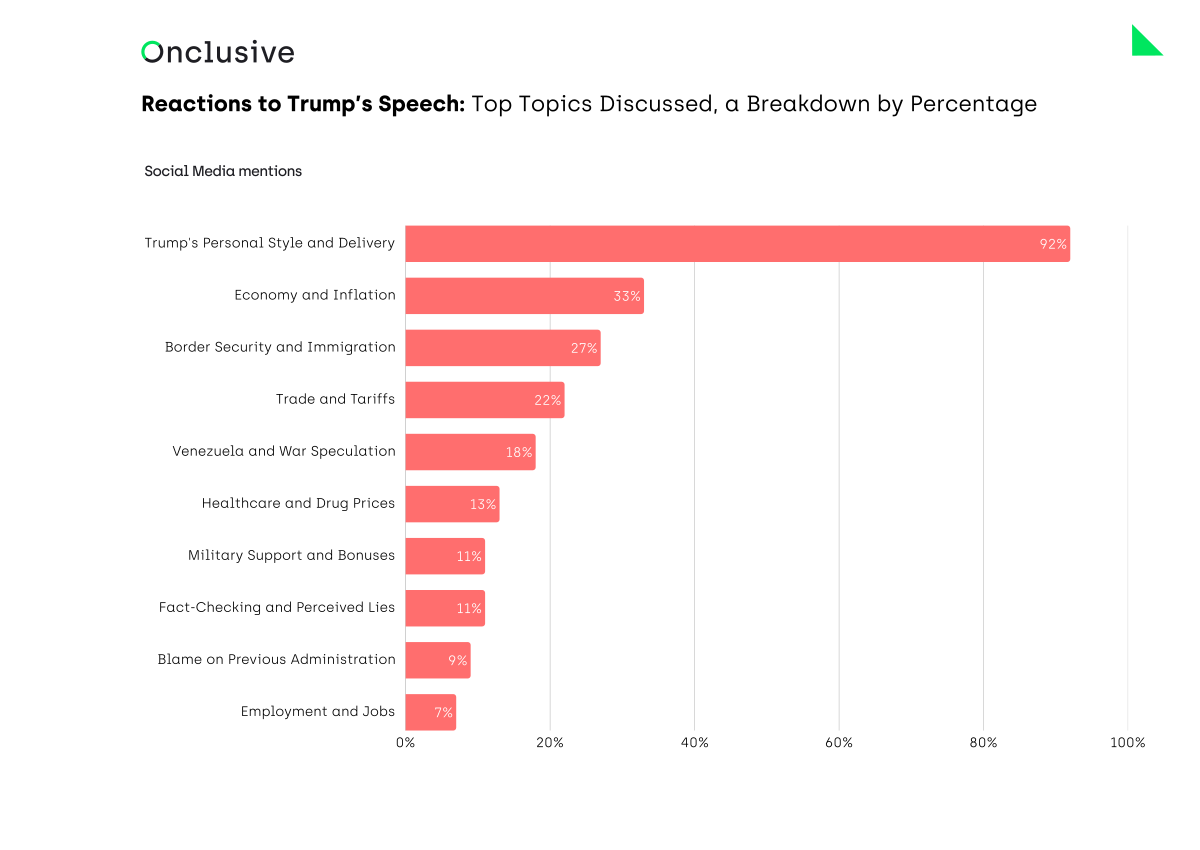
Analyzing the reactions, certain themes dominated discussions, reflecting the speech’s core elements but interpreted through partisan lenses. Based on content tags and mentions across the dataset:
- Trump’s Personal Style and Delivery: 92% of reactions referenced Trump directly, debating his energy, script-reading, or “clown show” antics.
- Economy and Inflation: 33% focused on claims of falling prices, rising wages, and a 2026 boom, with debates on whether affordability has truly improved.
- Border Security and Immigration: 27% highlighted secure borders and reduced crossings, often tied to blame on immigrants or the prior administration.
- Trade and Tariffs: 22% discussed tariffs as tools for investments and jobs, praised by supporters but criticized as burdensome taxes.
- Venezuela and War Speculation: 18% involved pre-speech hype about potential declarations, with relief or mockery post-address.
- Healthcare and Drug Prices: 13% covered promises of plummeting costs and new initiatives like TrumpRx.gov.
- Military Support and Bonuses: 11% centered on the $1,776 “warrior dividend” for service members.
- Fact-Checking and Perceived Lies: 11% involved critiques of falsehoods, often linking to Psaki or CNN analyses.
- Biden or the Blame on Previous Administration: 9% echoed Trump’s narrative of inheriting a “mess.”
- Employment and Jobs: 7% touched on manufacturing returns and unemployment trends.
The Broader Impact: Amplifying Division or Rallying the Base?
Trump’s address, while not groundbreaking in policy announcements, had a notable ripple effect across media ecosystems. Mainstream coverage emphasized fact-checking and context, potentially influencing moderate viewers, while social media amplified extremes—boosting MAGA morale but intensifying opposition backlash.
In a polarized era, such events highlight media’s role in shaping perceptions: Traditional outlets provide scrutiny, while social platforms enable rapid, unfiltered reactions. As 2026 approaches, this address could set the tone for Trump’s agenda, but its success will depend on delivering on promises amid ongoing scrutiny. What did you think of the speech?