





Updated: April 2026
For PR, comms, and marketing teams, understanding platform types is the first step toward choosing where to engage, what to measure, and how to track audience conversations.
What are the main types of social media platforms?
There are five main types of social media platforms:
- Social networking platforms
- Image-sharing platforms
- Video-sharing platforms
- Discussion forums and community platforms
- Blogging and publishing platforms
Quick comparison of social media platform types
| Type | Examples | Best For |
|---|---|---|
| Social Networking | Facebook, LinkedIn, X | Community building |
| Image Sharing | Instagram, Pinterest | Visual branding |
| Video Sharing | YouTube, TikTok | Engagement & reach |
| Forums | Reddit, Quora | Thought leadership |
| Blogging | Medium, WordPress | Authority building |
Not all social media platforms serve the same purpose. Each attracts different audiences, content formats, and engagement styles.
For businesses and marketers, choosing the right platform type matters. Global social media advertising spend is projected to exceed $268 billion in 2026, reinforcing how central social platforms have become for customer acquisition and brand growth.
Selecting the wrong platform for your strategy can lead to low engagement and wasted resources. Selecting the right one can increase reach, strengthen communities, and drive measurable business impact.
This guide explores each type of social media platform in detail, including definitions, examples, audience behavior, and strategic use cases for businesses in 2026.
The five types of social media platforms explained
Here’s how the major social media platforms can be grouped by use case, audience behavior, and content format.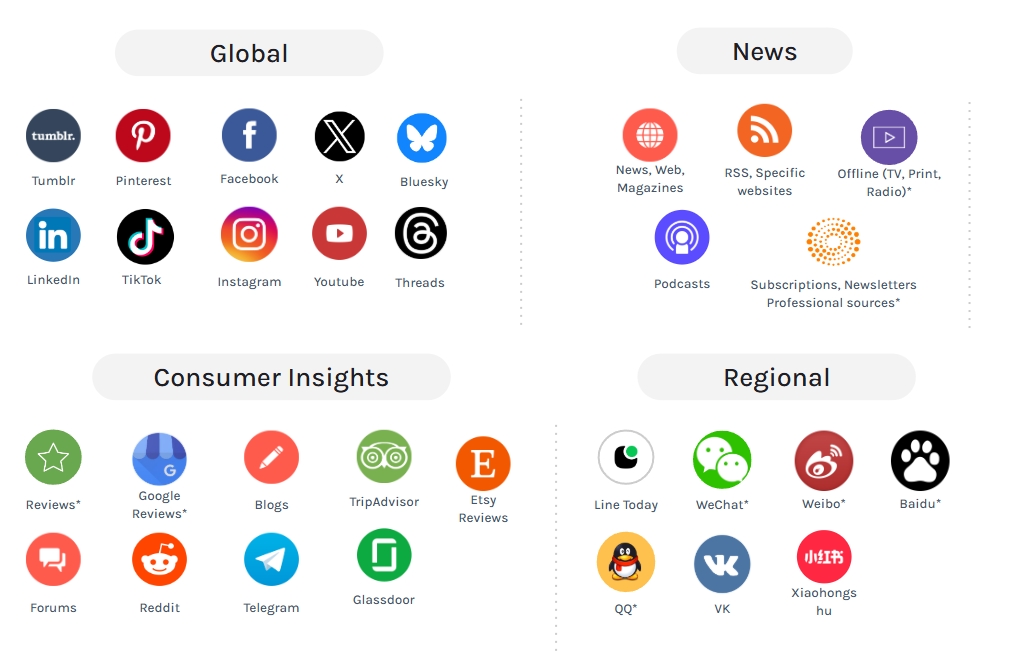 Onclusive’s Social Listening Tool scans hundreds of millions of sources (850M+) and billions of mentions (2B+ a months) across all types of social media platforms to protect your brand.
1. Social networking platforms
Social networking sites are the bedrock of social media, acting as virtual hubs where users connect, converse, and collaborate.
- Facebook: 3.07 billion global monthly active users
- LinkedIn: over 1.33 billion professionals
- X: 557 million users
- Threads: 142 million users (1)
- Bluesky: 41.4 million users
Their main strength is versatility. Users can share text updates, photos, videos, polls, and links, often within the same platform. For example, a business might share a product announcement on Facebook, then use comments or direct messages to answer questions and gather feedback.
For brands, social networking platforms can support:
- Two-way communication: helping businesses respond to questions, complaints, and customer feedback
- Community building: using groups and pages to create engaged audiences around shared interests
- Audience insight: using analytics to understand demographics, behaviors, and engagement patterns
- Targeted campaigns: reaching specific audience segments based on interests, location, life stage, or professional profile
However, these platforms also come with challenges. Algorithm changes can reduce organic reach, privacy expectations continue to evolve, and brands need to balance consistency with authenticity. Success depends on regular engagement, relevant content, and a clear understanding of what your audience expects from each platform.
(1) Number of users expressed in MAU-Monthly Active Users or Potential Ad Reach for monthly active accounts. Data by Kepios Analysis of Company Statements, Company Advertising resources or data from iiMedia

2. Image-based social media platforms
Image-based social media platforms are built around visual content, including photos, graphics, stories, pins, and short visual updates.
Examples include:
- Instagram: 2 billion users
- Pinterest: 578 million users
- Snapchat: 737 million users
These platforms are especially useful for visual storytelling. They help brands showcase products, communicate lifestyle, and inspire action through strong imagery.
Instagram is often used for brand building, creator partnerships, product discovery, and community engagement. Pinterest is more search and inspiration-led, making it useful for planning, ideas, and purchase consideration. Snapchat focuses on fast, informal, and often more personal visual communication.
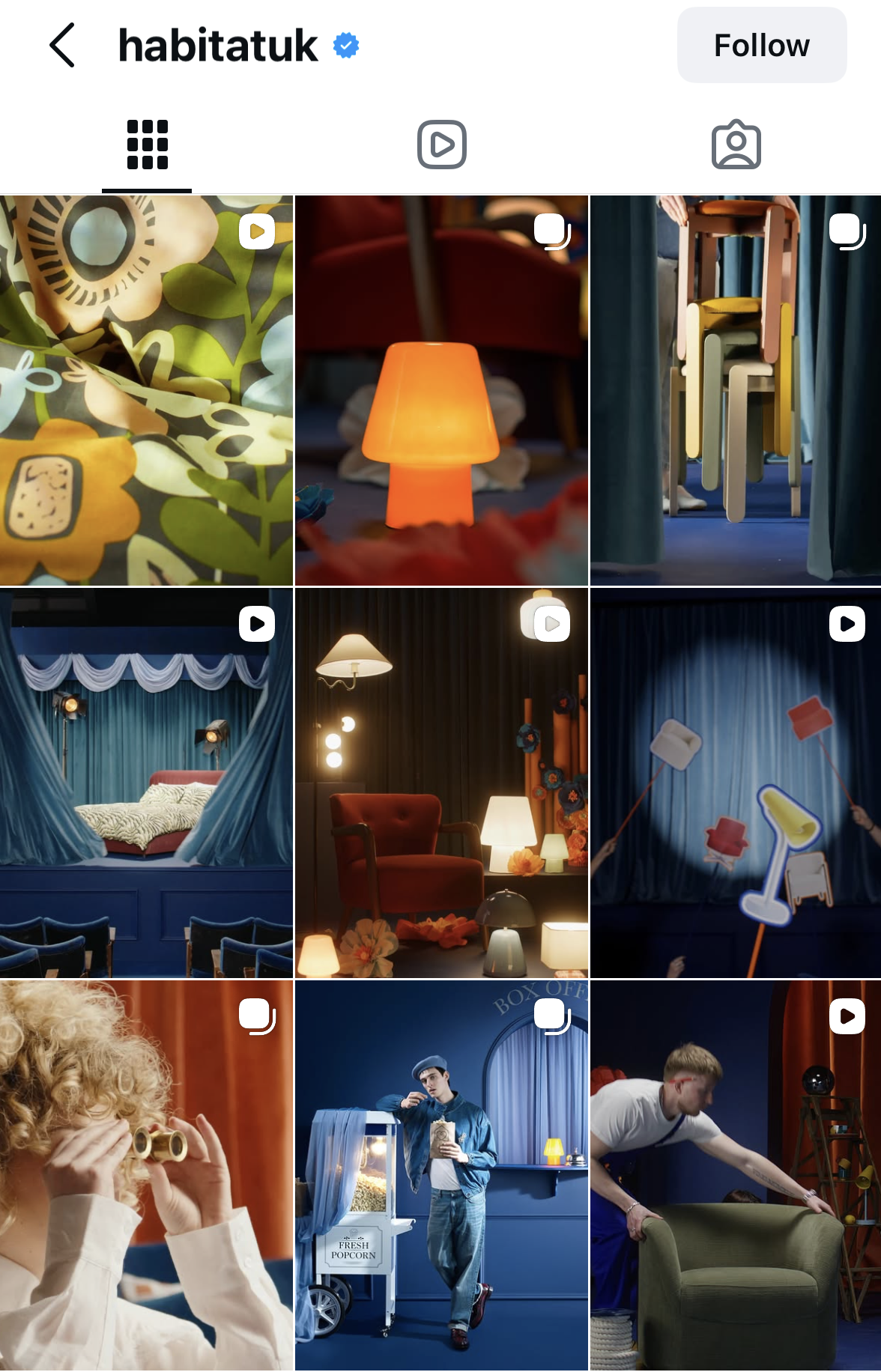
For brands, image-based platforms can support:
- Visual brand building: creating a recognizable look and feel
- Product discovery: showcasing products in real-life or aspirational settings
- User-generated content: encouraging customers and creators to share their own images
- Social commerce: using shoppable posts, product tags, and links to shorten the buying journey
- Campaign engagement: using visual trends, stories, and interactive formats to increase reach
However, success on these platforms depends on more than attractive visuals. Brands also need consistency, authenticity, and a clear understanding of what their audience expects. Overly polished content can sometimes feel less relatable, while relevant, useful, or creator-led content can drive stronger engagement.
3. Video sharing and streaming platforms
Video sharing and streaming platforms are built around short-form, long-form, and live video content.
Examples include:
- YouTube: 2.58 billion users
- TikTok: 1.99 billion users
- Twitch: 240 million users
These platforms are highly engaging because video can combine entertainment, education, storytelling, and product discovery in one format.
YouTube also acts as a major search platform, with users looking for tutorials, reviews, explainers, and product comparisons. TikTok is known for short-form, trend-led content, while Twitch focuses heavily on live streaming and community interaction.
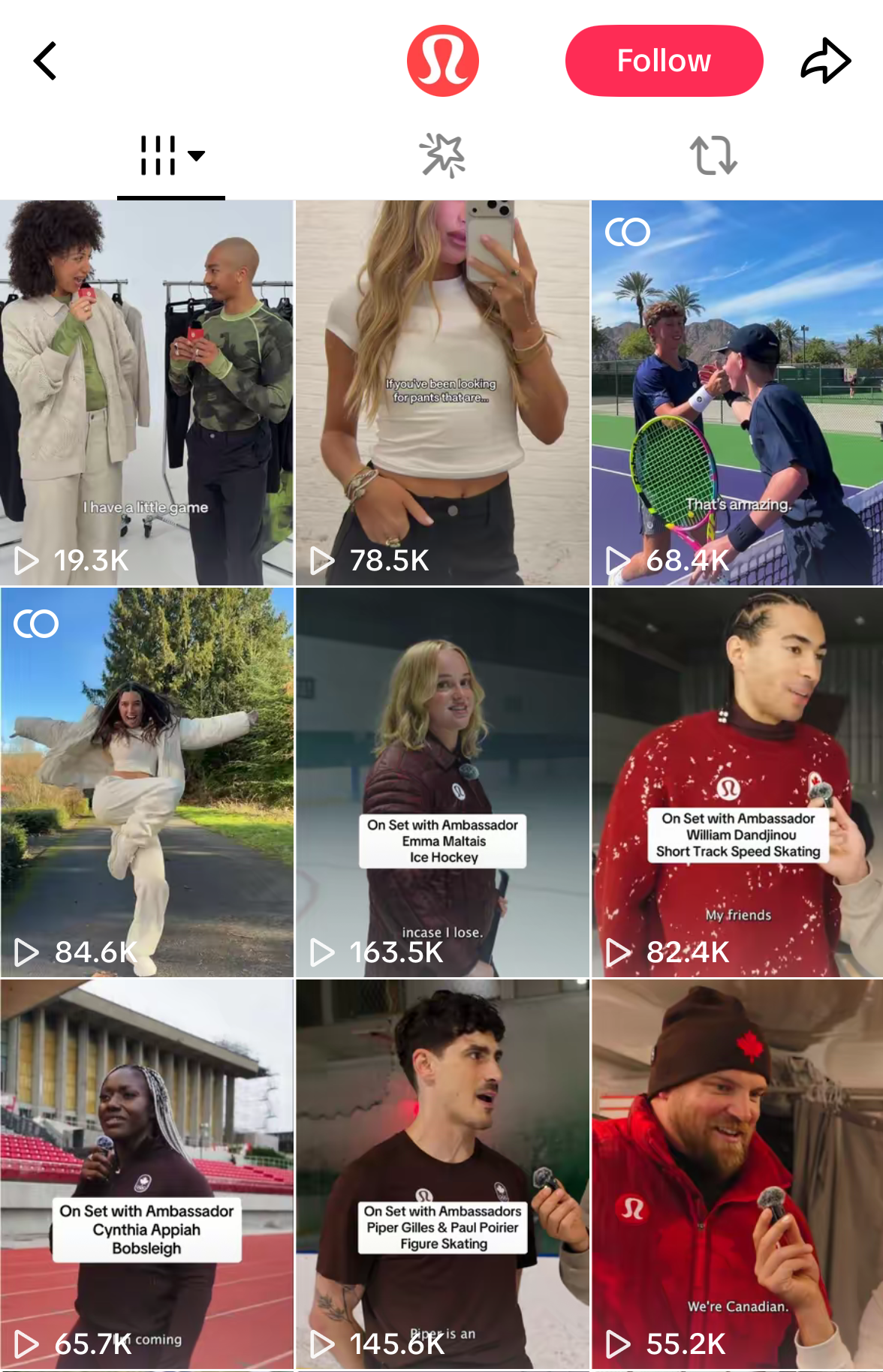
For brands, video sharing and streaming platforms can support:
- Storytelling: using video to explain ideas, showcase products, or share customer stories
- Education: creating tutorials, demos, interviews, and thought leadership content
- Community engagement: using comments, live chats, and Q&A sessions to interact with audiences
- Trend participation: joining relevant short-form trends to increase reach and visibility
- Advertising: targeting audiences through video ads and sponsored content
However, these platforms also require a clear content strategy. Brands need to balance creativity and authenticity. High production value can help, but useful, relevant, and relatable content often performs better than overly polished videos.
4. Discussion forums and community platforms
Discussion forums and community platforms are organized around topics, questions, and shared interests rather than personal profiles.
Examples include:
- Reddit: 765 million user accounts
- Quora: 400 million users
- Discord: 200 million users
These platforms are valuable because they often contain honest, detailed conversations. Users ask questions, share experiences, compare products, and discuss problems in depth.
For brands, forums and community platforms can support:
- Audience research: identifying common questions, frustrations, and unmet needs
- Reputation and brand monitoring: tracking how people talk about a brand, product, or competitor
- Issue detection: spotting complaints, rumours, or emerging concerns early
- Thought leadership: answering questions and contributing useful expertise
- Community insight: understanding the language, priorities, and expectations of niche audiences
For example, monitoring relevant Reddit communities can reveal recurring product pain points, customer preferences, and competitor comparisons.
The key challenge is participation. These communities often reject overt promotion, so brands need to listen first, contribute genuinely, and respect each platform’s rules and culture.
5. Blogging and publishing platforms
Blogging and publishing platforms are designed for longer-form written content, including articles, essays, opinion pieces, and expert commentary.
Examples include:
- Medium: 100 million readers
- Tumblr: 135 million blogs
- WordPress: widely used for business, media, and personal publishing
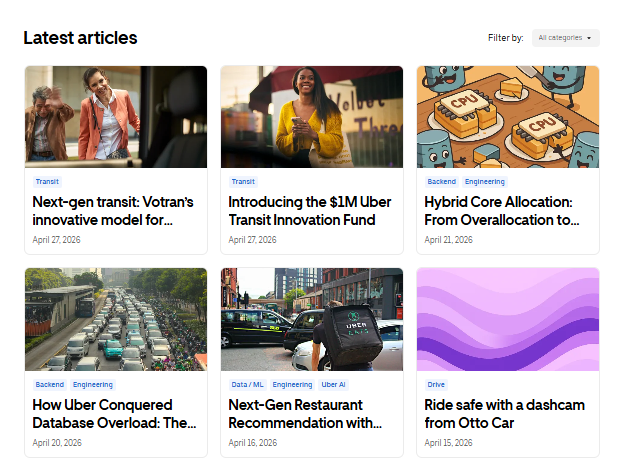
These platforms allow individuals and organizations to explore topics in more depth than short-form social posts. They are often used to share expertise, explain trends, publish research, and build authority around a subject.
For brands, blogging and publishing platforms can support:
- Thought leadership: sharing expert perspectives and industry analysis
- Search visibility: creating content that can rank for relevant questions and topics
- Content repurposing: turning reports, webinars, or research into accessible articles
- Audience education: helping readers understand complex topics in more detail
- Brand credibility: building trust through useful, well-structured content
Success depends on creating content that is genuinely useful to the target audience. For businesses, that means focusing on practical advice, and topics that connect to audience needs rather than publishing content for its own sake.
How to choose the right social media platforms for your business
Selecting the right social media platforms is not about being everywhere. It is about being effective where your audience already spends time.
In 2026, with organic reach declining across major networks and competition increasing, businesses must make deliberate, data-informed decisions. The most successful brands typically focus on two or three platforms rather than spreading resources too thin.
Here’s how to approach platform selection strategically.
Align platforms with your audience
Start with your audience, not the platform.
Different types of social media platforms attract different demographics and behaviors:
- Gen Z and younger audiences gravitate toward TikTok, Instagram, and YouTube.
- B2B decision-makers are most active on LinkedIn.
- Niche communities and highly engaged users gather in forums like Reddit and Discord.
- Research-driven or thought leadership audiences often consume long-form content on publishing platforms.
Use demographic insights, customer data, and platform analytics to identify where your audience is most active. Choosing a platform your audience does not use will limit visibility regardless of content quality.
Build a consistent brand presence
Once platforms are selected, consistency becomes critical.
Consistency includes:
- Posting regularly (3–5 times weekly on high-velocity platforms)
- Maintaining a unified visual identity
- Using a clear and recognizable brand voice
- Aligning messaging across platforms
Inconsistent branding reduces recognition and trust. A defined content strategy built around clear pillars, such as education, product value, and community engagement, helps ensure long-term impact.
Rather than chasing every trend, focus on creating content that aligns with your brand positioning and audience expectations.
Use social listening and analytics to improve results
Social media success depends on the quality of your measurement.
Social media listening and analytics tools provide valuable audience insights as well as basic information about engagement rates, reach, click-throughs, and audience growth. These metrics help identify what content resonates and where improvements are needed.
Beyond surface metrics, social listening tools enable businesses to:
- Monitor brand mentions across different types of social media platforms
- Identify sentiment trends
- Detect emerging conversations
- Respond quickly to potential issues
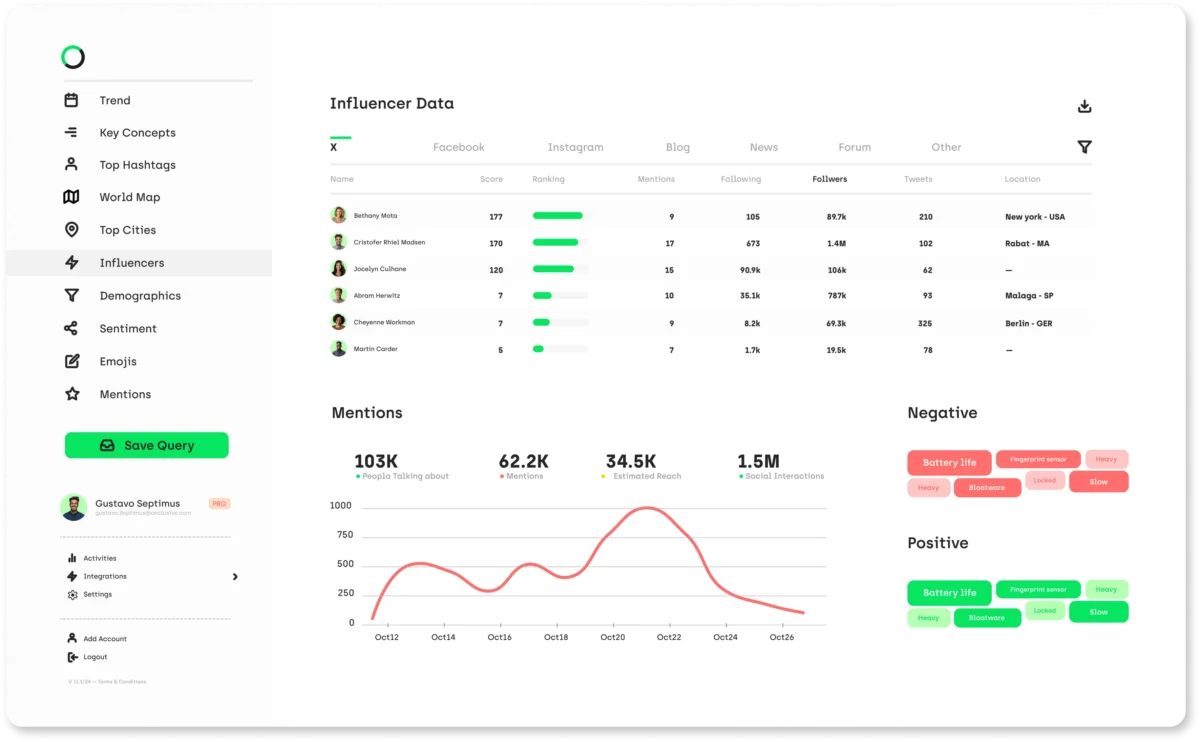
By analyzing conversations across networks, forums, and publishing platforms, businesses gain a clearer understanding of customer perception and competitive positioning.
Data-driven refinement leads to stronger performance over time.
For example, HART Inc. used social listening to better understand audience sentiment and refine its communications strategy, demonstrating how structured data analysis can support measurable decision-making.
Leverage AI and emerging trends
Artificial intelligence is reshaping how businesses use social media.
In 2026, AI tools assist with:
- Content ideation and drafting
- Audience segmentation
- Trend prediction
- Automated scheduling
- Sentiment analysis
Short-form video, social commerce, and interactive formats continue to drive engagement. However, technology should enhance strategy, not replace it.
The most effective brands combine AI efficiency with human authenticity. Personalized content, genuine interaction, and community-focused storytelling remain essential for long-term success.
Strategic focus wins
The key to social media success is focus.
- Select platforms based on audience alignment
- Create consistent, valuable content
- Measure performance and adapt
- Use AI and analytics intelligently
Businesses that approach social media with discipline and data-driven insight turn platforms into growth engines rather than time-consuming obligations.
Summary table: Comparing the five types of social media platforms
| Category | Key Platforms (2025 User Stats) | Primary Content Focus | Business Benefits | Best Practices for 2025 |
| Social Networking Sites | Facebook (3.07B users), LinkedIn (1.3B+), X (557M) | Versatile: Text, images, videos, polls | Relationship building, targeted ads, community groups | Consistent posting, bidirectional engagement, use analytics for targeting |
| Image-Based Platforms | Instagram (2B), Pinterest (578M), Snapchat (900M) | Visuals: Photos, stories, pins | Storytelling, shoppable posts, UGC campaigns | High-quality aesthetics, hashtag challenges, leverage shoppable tags |
| Video Sharing and Streaming | YouTube (2.6B), TikTok (1.9B), Twitch (240M) | Videos: Short-form, long-form, live streams | Emotional connections, tutorials, viral potential | Focus on authenticity, live Q&As, A/B test formats like Reels |
| Discussion Forums | Reddit (765M), Quora (400M) | Topics/questions: Text discussions, AMAs | Market research, expert positioning, honest feedback | Authentic contributions, avoid promotion, monitor for insights |
| Blogs and Community Publishing | Medium (+100M readers), Tumblr (135M blogs) | Long-form: Articles, essays | Thought leadership, SEO boosts, content repurposing | Value-driven posts, join publications, repurpose across channels |
 To explore how Onclusive can help you capture and apply social media insights, book a free demo with our experts today.
FAQs about social media platforms
What are the five types of social media platforms?
The five main types of social media platforms are social networking platforms, image-based platforms, video-sharing platforms, discussion forums, and blogging or publishing platforms. Each type supports different content formats, audience behaviors, and marketing strategies.
How many types of social media platforms are there?
Most experts classify social media platforms into five primary categories. However, some frameworks expand this to include messaging apps, live-streaming platforms, or social commerce networks as additional types.
What type of social media platform is TikTok?
TikTok is a video-sharing social media platform focused on short-form content. It emphasizes algorithm-driven discovery, entertainment, and high engagement among younger audiences.
What type of social media platform is LinkedIn?
LinkedIn is a professional social networking platform designed for career development, recruitment, and B2B marketing.
Which social media platform is best for businesses?
The best social media platform depends on your audience and objectives. B2C brands often perform well on Instagram, TikTok, and YouTube, while B2B organizations typically see stronger results on LinkedIn and publishing platforms.
Why are there different types of social media platforms?
Different types of social media platforms exist because users engage with content in different ways. Some prioritize visual storytelling, others emphasize professional networking, community discussion, or long-form publishing.